


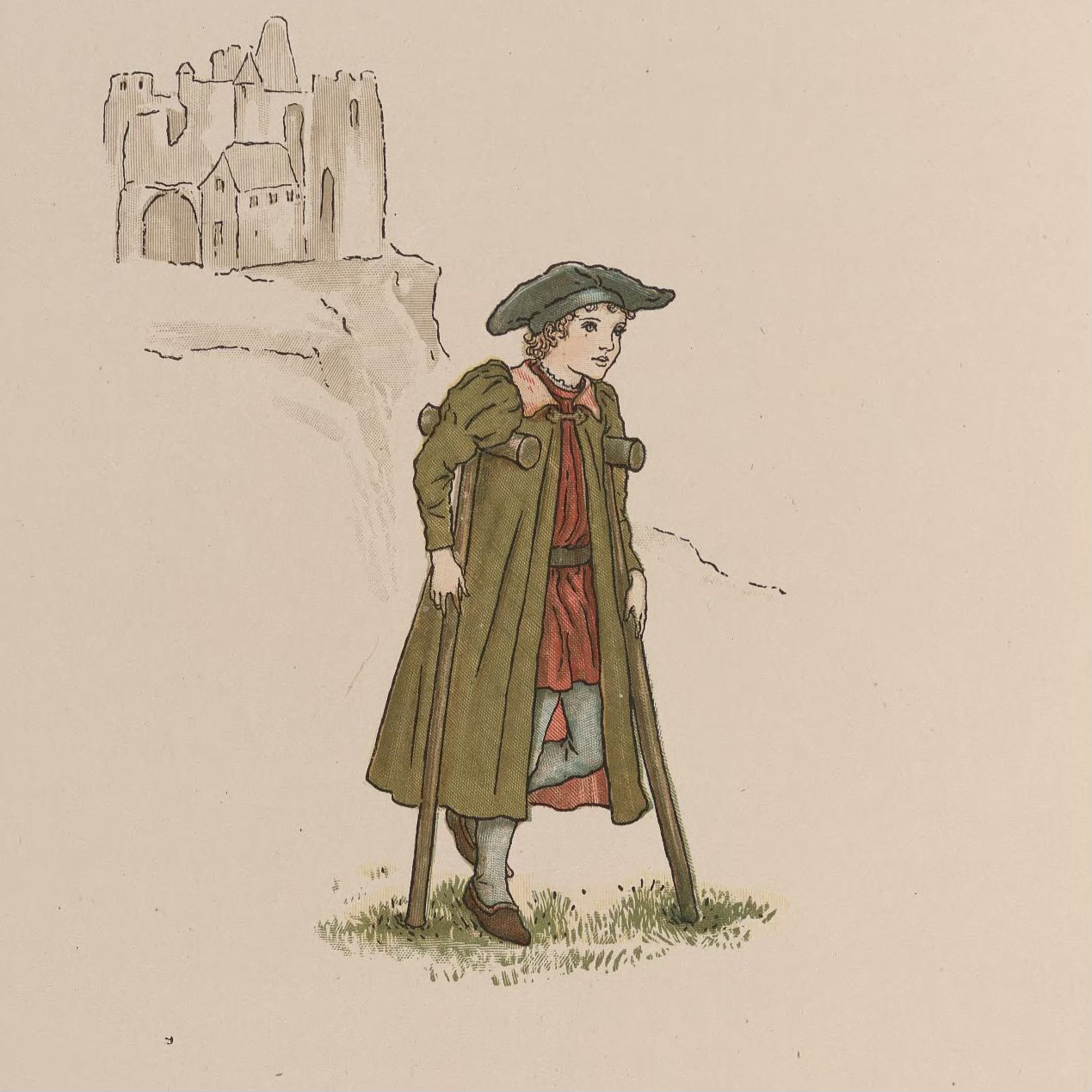
“The music stopped and I stood still, And found myself outside the hill…”
Robert Browning’s lines from his poem: The Pied Piper of Hamelin (1910) capture a child’s sudden, bewildering loss: a promised world of healing and wonder vanishes, and the child is left to face ordinary life again.
This post explores innocence, dependence, and the slow discovery of self-reliance, and reflects on how joy and sorrow coexist in the small moments that shape us.
An excerpt from Robert Browning’s The Pied Piper of Hamelin (1910)
“It’s dull in our town since my playmates left!
I can’t forget that I’m bereft
Of all the pleasant sights they see,
Which the Piper also promised me.
For he led us, he said, to a joyous land.
Joining the town, and just at hand,
Where waters gushed and fruit-trees grew,
And flowers put forth a fairer hue,
And everything was strange and new:
The sparrows were brighter than peacocks here,
And their dogs outran our fallow deer.
And honey-bees had lost their stings,
And horses were born with eagles’ wings;
And just as I became assured,
My lame foot would be speedily cured,
The music stopped and I stood still,
And found myself outside the hill,
Left alone against my will,
To go now limping as before.
And never hear of that country more!”
Dependence and the lesson of self-reliance
Browning’s speaker is a child who trusted the Piper’s promise of a better place. That trust is natural and unforced — the kind of faith children give freely. When the music stops, the child’s physical condition remains unchanged; he returns to “limping as before.” That return is not only a literal setback, but also a turning point: the child must now live with the consequences of a choice made in innocence.
What’s the idea? Life’s disappointments often teach us to rely on ourselves. The child’s loss becomes a quiet education in resilience. He does not collapse into despair; he continues forward, altered, but still present in the town. That persistence is a form of power — even if it’s small, and stubborn, and that makes it very human.
