


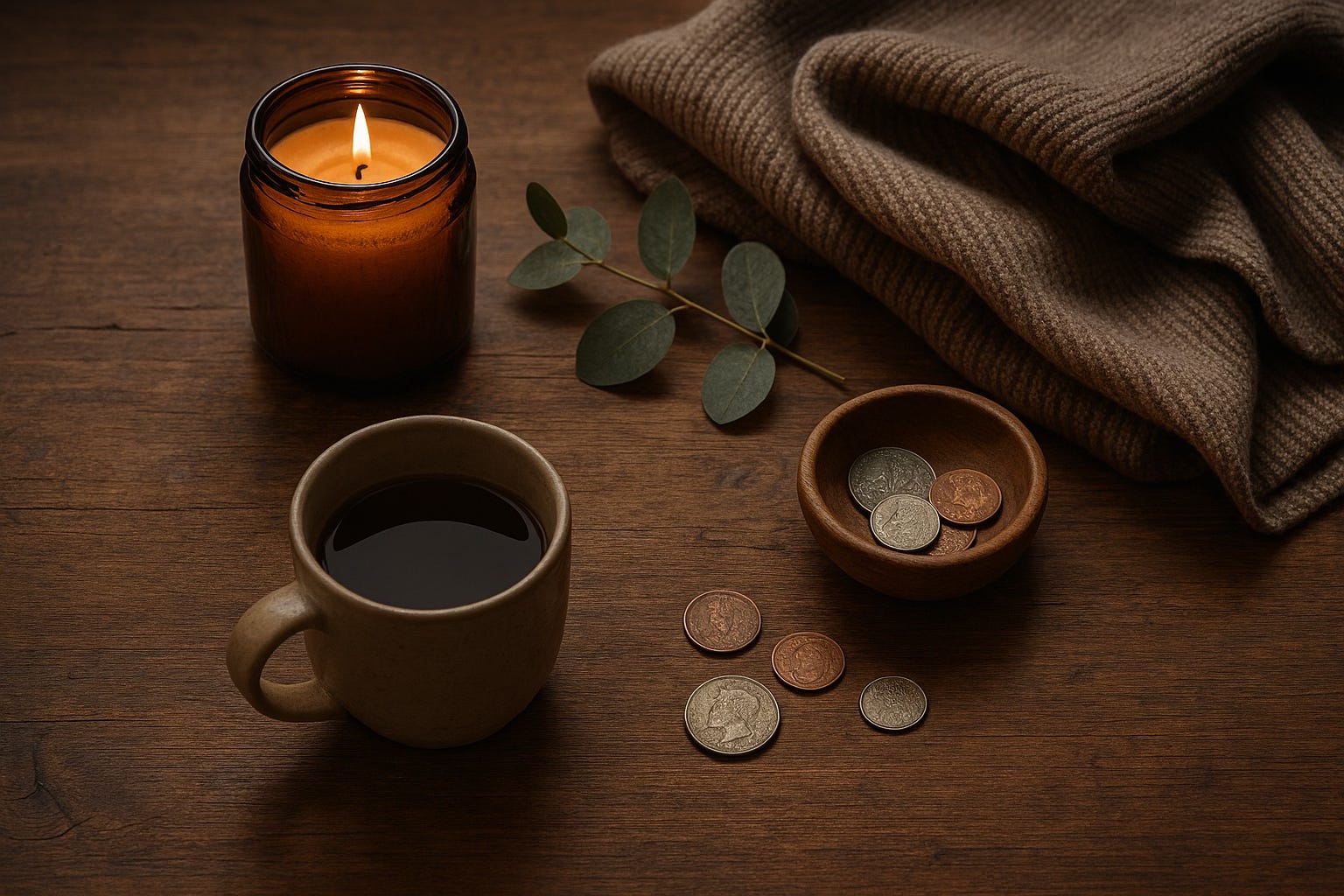
We sometimes dismiss shopping as a shallow pastime, a modern indulgence, or—most reductively—a “women’s thing.” But when you look beneath the surface, shopping becomes something far more intricate: a cultural mirror, an emotional language, a ritual of self-making, and even a dance with the archetypes of the zodiac.
In the UK especially, where the online marketplace is one of the most developed in Europe, shopping has evolved into a cultural rhythm—woven into daily life, shaped by weather, convenience, and a national fondness for small comforts. But to understand shopping only as consumption is to miss its deeper story.
Shopping is Not a Women-Centric Behaviour
One of the most persistent myths in modern culture is that women are the primary, or “natural” shoppers. This stereotype is not only outdated—it’s inaccurate.
Men shop as much as women, but their purchases are often framed differently: “gear,” “tech,” “tools,” “investments,” “collectibles,” “hobbies.”
Marketing history, not biology, created the illusion. For decades, advertisers targeted women as household decision-makers, cementing the idea that shopping was feminine labour.
Emotional buying is universal. Men and women alike shop for comfort, identity, escape, or aspiration. The difference lies in how society labels the behaviour.
Compulsive buying disorder affects all genders, and research shows men are equally susceptible—though they may channel it into different categories.
Shopping is a human instinct. A way of seeking beauty, control, novelty, or meaning in a world that often feels unpredictable.
Culture Shapes the Way We Buy
Every country carries its own shopping signature. In the UK, several cultural forces converge:
Convenience as a national value. The UK embraced online shopping early, valuing speed, reliability, and choice.
Weather as a quiet influencer. Rainy days and long winters naturally push people toward indoor browsing and digital retail.
A history of high-street culture. From markets to department stores, shopping has long been a social ritual.
Price sensitivity. British consumers are both enthusiastic and pragmatic—willing to spend, but keenly aware of value.
Contrast this with southern Europe, where shopping is tactile and social, or Germany, where quality and durability dominate. Culture writes its own script for how people buy.
The Emotional and Spiritual Undercurrents of Shopping
Shopping is rarely about the item itself. It’s about the feeling beneath the item.
Comfort: A candle for a heavy week.
Identity: Clothes that say who we are becoming.
Control: A small choice in a chaotic world.
Connection: Gifts that speak what words cannot.
Renewal: The symbolic shedding of an old self.
For some, shopping becomes a ritual of self-soothing. For others, a way to align with deeper values—ethical brands, handmade goods, ancestral crafts, or items that carry spiritual resonance.
In this sense, shopping becomes a form of emotional alchemy: turning longing into comfort, invisibility into expression, fragmentation into coherence.
